
/-/https/careerdiscovery.sciencebuddies.org/cdn/Files/21464/5/sb-logo.png)
Aquacultural Manager
Overview and Key Facts
/-/https/careerdiscovery.sciencebuddies.org/cdn/Files/885/17/iStock-120056070.jpg)

Education

Median Pay

Job Growth

Jobs in 2034
What Do They Do?
An aquacultural manager could.../-/https/careerdiscovery.sciencebuddies.org/cdn/Files/886/17/pexels-photo-1409050.jpg)
/-/https/careerdiscovery.sciencebuddies.org/cdn/Files/887/17/iStock-1251358437.jpg)
/-/https/careerdiscovery.sciencebuddies.org/cdn/Files/888/17/iStock-905421664.jpg)
/-/https/careerdiscovery.sciencebuddies.org/cdn/Files/889/17/pexels-photo-1165125.jpg)
/-/https/careerdiscovery.sciencebuddies.org/cdn/Files/886/17/pexels-photo-1409050.jpg)
/-/https/careerdiscovery.sciencebuddies.org/cdn/Files/887/17/iStock-1251358437.jpg)
/-/https/careerdiscovery.sciencebuddies.org/cdn/Files/888/17/iStock-905421664.jpg)
/-/https/careerdiscovery.sciencebuddies.org/cdn/Files/889/17/pexels-photo-1165125.jpg)
Overview Listen to this section
Walk by the supermarket's fresh fish counter and you will see a collection of marine ambassadors from around the world. You might see shrimp from Thailand, salmon from Canada, and flounder from the United States of America. Some of the fish is wild, caught by fishermen from the open seas; but these days, a lot of fish and shellfish is farm raised. Aquacultural managers direct operations on farms and fish hatcheries that cultivate ocean and freshwater fish for human consumption, recreation, and research. The field of aquacultural management is an example of biotechnology. It is the intersection of biology, chemistry, and cutting-edge technical equipment./-/https/i.ytimg.com/vi/B1optI2cdsA/hqdefault.jpg)
Do You Have the Skills and Characteristics of an Aquacultural Manager?

Core Tasks
Think about if you'd like the typical tasks an Aquacultural Manager might do:Salary & Job Openings
Median Salary (Yearly Pay)
Future Jobs
Blast-Off:
(10% or higher)
(7% - 10%)
(5% - 7%)
(3% - 5%)
(0% - 3%)

Steps to Get There: Becoming an Aquacultural Manager
High School Subjects to Study
Engineering
Career Pathway Listen to this section
Many state-run hatcheries require that the manager have a bachelor's degree in fishery sciences or a related field, and pass a civil service exam.
Because of rapid changes in the industry, aquacultural managers need to stay informed about continuing advances in aquacultural methods, both in the United States and abroad. They need to monitor changes in governmental regulations that may affect production methods or markets. Besides print journals that inform the aquacultural community, managers use the Internet for quick access to the latest developments in research areas such as fish breeding.
Education- Typical Degree Needed After High School Listen to this section
high school credential
Typical degree for an entry-level position: Bachelor's degree ?
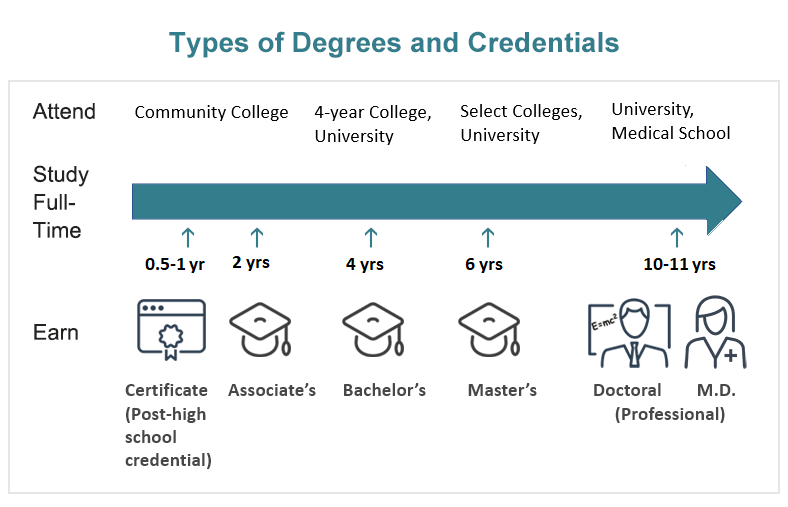
Most entry-level positions require a bachelor's degree in fishery sciences or a related field. For students interested in aquaculture, formal programs include coursework in fisheries biology, fish culture, hatchery management and maintenance, and hydrology.
Companies That Hire Aquacultural Managers
Try it Out with an Activity or Project
STEM Activities
STEM activities are fun hands-on explorations that usually take from 10 minutes to one hour and use readily available household or classroom materials while introducing you to STEM concepts common in this career.
Science Project Ideas
Project Ideas are in-depth STEM explorations that have a strong focus on controlling variables, taking accurate measurements, and analyzing data suitable for investigating the scientific method or the engineering design process.
/-/https/www.sciencebuddies.org/cdn/Files/12224/7/acid-rain-ducks.jpg)
/-/https/www.sciencebuddies.org/cdn/Files/8717/4/aquaponics-thumbnail.jpg)
/-/https/www.sciencebuddies.org/cdn/Files/12233/4/green-pond-algae.jpg)
/-/https/www.sciencebuddies.org/cdn/Files/12249/4/maldives-sandy-beaches.jpg)
/-/https/www.sciencebuddies.org/cdn/Files/12235/9/logoa-lake-heavy-metals.jpg)
/-/https/www.sciencebuddies.org/cdn/Files/12245/4/agriculture-tractor-fertilize.jpg)
/-/https/www.sciencebuddies.org/cdn/Files/5215/5/Totteridge_Green_Laurel_Farm_Pond_img.jpg)
/-/https/www.sciencebuddies.org/cdn/Files/12252/4/fresh-fish-seafood-market.jpg)
On the Job
Role Models

Nature of the Work
Aquaculture farmers raise fish and shellfish in marine, brackish, or fresh water, usually in ponds, floating net pens, raceways, or recirculating systems. They stock, feed, protect, and otherwise manage aquatic life sold for consumption or used for research or recreational fishing. Aquacultural managers manage the day-to-day activities of one or more fish and shellfish farms and hatcheries. Their duties and responsibilities focus both on the business and on the technological aspects of running a farm.
Work Environment
Aquacultural managers spend part of the day working outdoors, and the other part of the day working indoors on computers. The outdoor work of aquacultural managers is often strenuous; work hours are frequently long. Hours can vary depending on the time of the year and the needs of the fish.
Aquacultural jobs can be hazardous. Equipment can cause serious injury, and workers must be constantly alert on the job. The proper operation of equipment and handling of chemicals are necessary to avoid accidents, safeguard health, and protect the environment.
More Information
Ask Questions
Do you have a specific question about a career as an Aquacultural Manager that isn't answered on this page? Post your question on the Science Buddies Ask an Expert Forum.
Sources
- U.S. Bureau of Labor Statistics BLS (2024). Occupational Outlook Handbook (OOH), 2024 Edition, Bureau of Labor Statistics. Retrieved August 25, 2025.
- National Center for O*NET Development O*Net Online (2024). National Center for O*Net Development. Retrieved August 25, 2025
- Texas Parks and Wildlife Foundation. (2005). A Day in the Life of a Freshwater Hatchery Manager. Retrieved July 27, 2018.