

Film and Video Editor
Overview and Key Facts


Education

Median Pay

Job Growth

Jobs in 2034
What Do They Do?
A film and video editor could...


Overview Listen to this section
Lights, camera, action! It takes more than actors to put an exciting motion picture movie together. It takes film and video editors and cutting-edge computer technology to make an exciting movie that people want to see. From the many thousands of minutes of film and video, the editor has to choose the best shots to tell a cohesive and compelling story. In addition to having an artistic bent, the film and video editor must relish working with complicated computer equipment. If you would like to combine your artistic talents and your computer skills into a great career, then read on to learn more about film and video editors.
Do You Have the Skills and Characteristics of a Film and Video Editor?

Core Tasks
Think about if you'd like the typical tasks a Film and Video Editor might do:Salary & Job Openings
Median Salary (Yearly Pay)
Future Jobs
Blast-Off:
(10% or higher)
(7% - 10%)
(5% - 7%)
(3% - 5%)
(0% - 3%)

Steps to Get There: Becoming a Film and Video Editor
High School Subjects to Study
Engineering
Career Pathway Listen to this section
Film and video editors usually acquire their skills through formal postsecondary training at vocational schools, colleges, universities, or photographic institutes. A bachelor's degree may be required for some positions, particularly those for film and video editors. Employers usually seek applicants with a good eye, imagination, and creativity, as well as a good technical understanding of how the camera operates.
Education- Typical Degree Needed After High School Listen to this section
high school credential
Typical degree for an entry-level position: Bachelor's degree ?
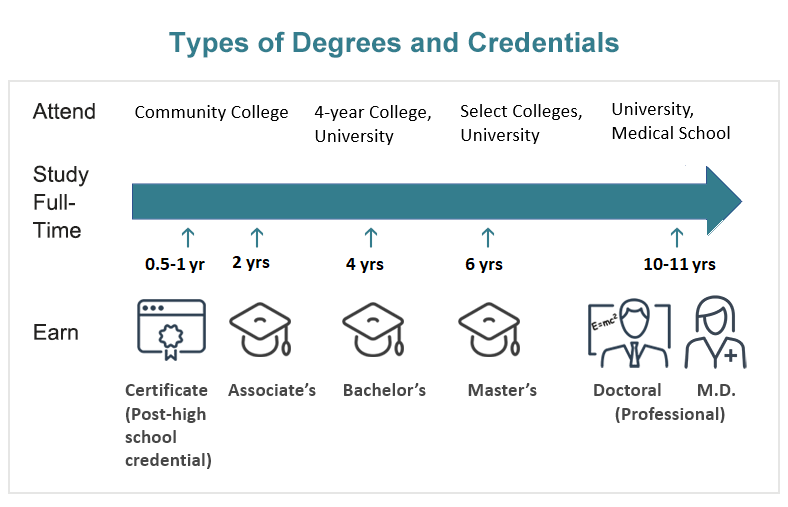
Many universities, community and junior colleges, vocational-technical institutes, and private trade and technical schools offer courses in film and video editing. Basic courses cover equipment, processes, and techniques. It is important for editors to have an in depth understanding of computer technology. Bachelor's degree programs, especially those including business courses, provide a well-rounded education. Film schools also may provide training on the artistic or aesthetic aspects of filmmaking.
Companies That Hire Film and Video Editors
Try it Out with an Activity or Project
STEM Activities
STEM activities are fun hands-on explorations that usually take from 10 minutes to one hour and use readily available household or classroom materials while introducing you to STEM concepts common in this career.


Science Project Ideas
Project Ideas are in-depth STEM explorations that have a strong focus on controlling variables, taking accurate measurements, and analyzing data suitable for investigating the scientific method or the engineering design process.


On the Job
Role Models

Nature of the Work
Film and video editors edit soundtracks, film, and video for the motion picture, cable, and broadcast television industries. Television series, studio programs, news and sporting events, motion pictures, and music videos are all materials that are constructed from many different shots by film and video editors. With the increase in digital technology, much of the editing work is now done on a computer. Many editors are employed by independent television stations; local affiliate stations of television networks; large cable and television networks; or smaller, independent production companies.
Making commercial-quality movies and video programs requires technical expertise and creativity. Producing successful images requires choosing and presenting interesting material, selecting appropriate equipment, and applying a good eye and a steady hand to ensure smooth, natural movement of the camera.
Work Environment
Work hours and working schedules for film and video editors vary considerably. Those employed by television and cable networks and advertising agencies usually work a 5-day, 40-hour week; however, they may work longer hours to meet production schedules. Editors working in motion picture production also may work long, irregular hours.
More Information
Ask Questions
Do you have a specific question about a career as a Film and Video Editor that isn't answered on this page? Post your question on the Science Buddies Ask an Expert Forum.
Sources
- U.S. Bureau of Labor Statistics BLS (2024). Occupational Outlook Handbook (OOH), 2024 Edition, Bureau of Labor Statistics. Retrieved August 25, 2025.
- National Center for O*NET Development O*Net Online (2024). National Center for O*Net Development. Retrieved August 25, 2025
- The Princeton Review. Film Editor: A Day in the Life. Retrieved November 23, 2020.
- Fulford, A. (2009). Film and Video Editing May Be the Most Important Part of Making Movies. EZinarticles.com. Retrieved November 23, 2020.
- State of New Jersey. (2009). Career Videos Department of Labor and Workforce Development. Retrieved November 23, 2020.