
/-/https/careerdiscovery.sciencebuddies.org/cdn/Files/21464/5/sb-logo.png)
Electrical & Electronics Engineer
Overview and Key Facts
/-/https/careerdiscovery.sciencebuddies.org/cdn/Files/1223/17/iStock-971549326.jpg)

Education

Median Pay

Job Growth

Jobs in 2034
What Do They Do?
An electrical and electronics engineer could.../-/https/careerdiscovery.sciencebuddies.org/cdn/Files/1224/17/unsplash-uPJzWWhPcP4.jpg)
/-/https/careerdiscovery.sciencebuddies.org/cdn/Files/1225/17/iStock-153271122.jpg)
/-/https/careerdiscovery.sciencebuddies.org/cdn/Files/20164/4/HearingAid.jpg)
/-/https/careerdiscovery.sciencebuddies.org/cdn/Files/1227/17/iStock-1157353975.jpg)
/-/https/careerdiscovery.sciencebuddies.org/cdn/Files/1224/17/unsplash-uPJzWWhPcP4.jpg)
/-/https/careerdiscovery.sciencebuddies.org/cdn/Files/1225/17/iStock-153271122.jpg)
/-/https/careerdiscovery.sciencebuddies.org/cdn/Files/20164/4/HearingAid.jpg)
/-/https/careerdiscovery.sciencebuddies.org/cdn/Files/1227/17/iStock-1157353975.jpg)
Overview Listen to this section
Just as a potter forms clay, or a steel worker molds molten steel, electrical and electronics engineers gather and shape electricity and use it to make products that transmit power or transmit information. Electrical and electronics engineers may specialize in one of the millions of products that make or use electricity, like cell phones, electric motors, microwaves, medical instruments, airline navigation system, or handheld games./-/https/i.ytimg.com/vi/hqlN1L4BG6I/maxresdefault.jpg)
Do You Have the Skills and Characteristics of an Electrical & Electronics Engineer?

Core Tasks
Think about if you'd like the typical tasks an Electrical & Electronics Engineer might do:Salary & Job Openings
Median Salary (Yearly Pay)
Future Jobs
Blast-Off:
(10% or higher)
(7% - 10%)
(5% - 7%)
(3% - 5%)
(0% - 3%)

Steps to Get There: Becoming an Electrical & Electronics Engineer
High School Subjects to Study
Engineering
Career Pathway Listen to this section
Electrical and electronics engineers typically enter the occupation with a bachelor's degree in an engineering specialty, but some basic research positions may require a graduate degree. Engineers offering their services directly to the public must be licensed. Continuing education to keep current with rapidly changing technology is important for engineers.
Education- Typical Degree Needed After High School Listen to this section
high school credential
Typical degree for an entry-level position: Bachelor's degree ?
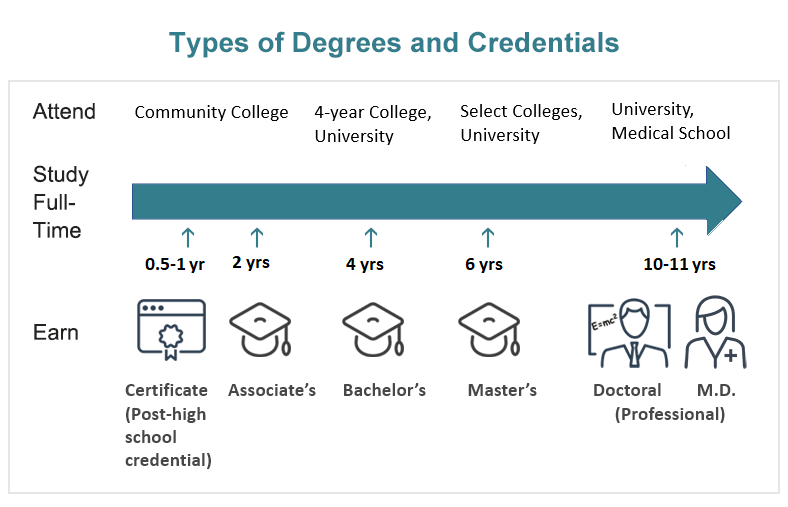
Typically electrical and electronics engineers have earned a Bachelor's or Master's degree in engineering in areas that include electronics, electrical engineering, or computer engineering. A junior engineer may spend the first year or two on the job learning the company's products and design procedures before choosing a technical specialty. Job responsibilities include specification, design, development, and implementation of products or systems, as well as research to create new ideas. This role provides a number of challenges ranging from problem identification and the selection of appropriate technical solutions, materials, test equipment, and procedures, to the manufacture and production of safe, economical, high-performance products and services.
An electrical engineer may choose to couple the technical aspects of a position with management responsibilities. The technical expertise required for management today is increasing because of the explosion of knowledge in engineering, technology, and science.
A Bachelor of Science degree in engineering with a specialty in electrical engineering may also serve as a starting point for careers in many other diverse fields, ranging from business to law, medicine, and politics, since the problem-solving skills acquired in an electrical engineering program provide an extraordinarily valuable asset. The same skills will equip you to assume leadership roles in your community and in professional circles outside the workplace.
In addition to the primary fields of electrical, electronics, and computer engineering, a Bachelor's degree in electrical engineering serves as an appropriate base for several allied fields. These include, for example, biomedical engineering, computer science, and aerospace engineering.
Companies That Hire Electrical & Electronics Engineers
Try it Out with an Activity or Project
STEM Activities
STEM activities are fun hands-on explorations that usually take from 10 minutes to one hour and use readily available household or classroom materials while introducing you to STEM concepts common in this career.
/-/https/www.sciencebuddies.org/cdn/Files/7450/11/paper-speaker.jpg)
/-/https/www.sciencebuddies.org/cdn/Files/7919/11/bristlebots.jpg)
/-/https/www.sciencebuddies.org/cdn/Files/7185/6/lemon-battery-series.jpg)
/-/https/www.sciencebuddies.org/cdn/Files/8227/9/junkbots.jpg)
/-/https/www.sciencebuddies.org/cdn/Files/13422/5/homopolar-motor-thumbnail.jpg)
/-/https/www.sciencebuddies.org/cdn/Files/6377/19/brushbot.jpg)
/-/https/www.sciencebuddies.org/cdn/Files/14675/5/electroscope-thumbnail.jpg)
/-/https/www.sciencebuddies.org/cdn/Files/11818/6/LED-stickies.jpg)
/-/https/www.sciencebuddies.org/cdn/Files/15782/5/CoinBattery.jpg)
/-/https/www.sciencebuddies.org/cdn/Files/5721/7/squishy-circuit-butterfly.jpg)
/-/https/www.sciencebuddies.org/cdn/Files/17047/6/diy-mini-drone-arduino.jpg)
/-/https/www.sciencebuddies.org/cdn/Files/13164/7/firefly-night-light-thumbnail.jpg)
/-/https/www.sciencebuddies.org/cdn/Files/16525/5/BasicCircuits.jpg)
/-/https/www.sciencebuddies.org/cdn/Files/17160/5/drone-joystick-thumbnail.jpg)
/-/https/www.sciencebuddies.org/cdn/Files/17038/5/DIY-mini-drone-altitude-control-circuit.jpg)
/-/https/www.sciencebuddies.org/cdn/Files/17150/8/drone-steering-thumbnail.png)
/-/https/www.sciencebuddies.org/cdn/Files/17334/5/drone-motion-control-thumbnail.jpg)
/-/https/www.sciencebuddies.org/cdn/Files/17476/5/popsicle-stick-drone-free-flight-thumbnail.jpg)
/-/https/www.sciencebuddies.org/cdn/Files/17460/5/drone-automatic-balancing-thumbnail.jpg)
Science Project Ideas
Project Ideas are in-depth STEM explorations that have a strong focus on controlling variables, taking accurate measurements, and analyzing data suitable for investigating the scientific method or the engineering design process.
/-/https/www.sciencebuddies.org/cdn/Files/12147/7/potatoe-battery-thumbnail.jpg)
/-/https/www.sciencebuddies.org/cdn/Files/4962/10/Motor_Running_3-magnets_img.jpg)
/-/https/www.sciencebuddies.org/cdn/Files/19600/8/arduino-soil-moisture-sensor-thumbnail.jpg)
/-/https/www.sciencebuddies.org/cdn/Files/8220/11/electromagnets.jpg)
/-/https/www.sciencebuddies.org/cdn/Files/8238/8/artbot-thumbnail-triple.jpg)
/-/https/www.sciencebuddies.org/cdn/Files/20320/6/blobid1712331879152.jpg)
/-/https/www.sciencebuddies.org/cdn/Files/5972/15/build-infinity-mirrors-optical-illusion.jpg)
/-/https/www.sciencebuddies.org/cdn/Files/20598/6/blobid1721648829177.jpg)
/-/https/www.sciencebuddies.org/cdn/Files/20362/6/blobid1713990224353.jpg)
/-/https/www.sciencebuddies.org/cdn/Files/12033/12/crystal-radio-thumbnail.jpg)
/-/https/www.sciencebuddies.org/cdn/Files/18248/10/bluebot-autonomous-car.jpg)
/-/https/www.sciencebuddies.org/cdn/Files/3669/10/Energy_img037.jpg)
/-/https/www.sciencebuddies.org/cdn/Files/21344/4/blobid1753380591679.png)
/-/https/www.sciencebuddies.org/cdn/Files/19581/7/arduino-robot-arm-servos.jpg)
/-/https/www.sciencebuddies.org/cdn/Files/17054/6/popsicle-stick-drone-lego.jpg)
/-/https/www.sciencebuddies.org/cdn/Files/20375/6/blobid0.jpg)
/-/https/www.sciencebuddies.org/cdn/Files/19625/10/arduino-ROV-thumbnail.jpg)
/-/https/www.sciencebuddies.org/cdn/Files/18817/10/artificial-pancreas-experiment-setup-thumbnail.jpg)
/-/https/www.sciencebuddies.org/cdn/Files/19422/5/jumping-robot-thumbnail.jpg)
/-/https/www.sciencebuddies.org/cdn/Files/7037/11/coin-battery-4cells.jpg)
On the Job
Role Models

Nature of the Work
Electrical engineers design, develop, test, and supervise the manufacture of electrical equipment. Some of this equipment includes electric motors; machinery controls, lighting, and wiring in buildings; automobiles; aircraft; radar and navigation systems; and power generation, control, and transmission devices used by electric utilities. Although the terms electrical and electronics engineering often are used interchangeably in academia and industry, electrical engineers have traditionally focused on the generation and supply of power; whereas electronics engineers have worked on applications of electricity to control systems or signal processing. Electrical engineers specialize in areas such as power systems engineering or electrical equipment manufacturing.
Electronics engineers, except computer, are responsible for a wide range of technologies, from portable music players to the global positioning system (GPS), which can continuously provide the location of, for example, a vehicle. Electronics engineers design, develop, test, and supervise the manufacture of electronic equipment, such as broadcast and communications systems. Many electronics engineers also work in areas closely related to computers. However, engineers whose work is related exclusively to computer hardware are considered computer hardware engineers. Electronics engineers specialize in areas such as communications, signal processing, and control systems, or have a specialty within one of these areas; for example, control systems or aviation electronics.
Work Environment
Most electrical and electronics engineers work in office buildings, laboratories, or industrial plants. Some engineers travel extensively to plants or work sites, both here and abroad.
Many engineers work a standard 40-hour week. At times, deadlines or design standards may bring extra pressure to a job, requiring engineers to work longer hours.
More Information
Ask Questions
Do you have a specific question about a career as an Electrical & Electronics Engineer that isn't answered on this page? Post your question on the Science Buddies Ask an Expert Forum.
Additional Resources
Sources
- U.S. Bureau of Labor Statistics BLS (2024). Occupational Outlook Handbook (OOH), 2024 Edition, Bureau of Labor Statistics. Retrieved August 25, 2025.
- National Center for O*NET Development O*Net Online (2024). National Center for O*Net Development. Retrieved August 25, 2025
- Career Cornerstone Center. (n.d.). Career Planning Resources. Retrieved January 12, 2018.
- WGBH. (2001). Who Builds Big?. Retrieved August 11, 2009.
- Institute of Electrical and Electronics Engineers, Inc. (2018). Careers. Retrieved January 12, 2018.
- CET. (2012). Electrical Engineering ThinkTVPBS. STEM Career Lab. Retrieved March 19, 2014.