
/-/https/careerdiscovery.sciencebuddies.org/cdn/Files/21464/5/sb-logo.png)
Mechanical Engineering Technician
Overview and Key Facts
/-/https/careerdiscovery.sciencebuddies.org/cdn/Files/1457/17/pexels-photo-3861938.jpg)

Education

Median Pay

Job Growth

Jobs in 2034
What Do They Do?
A mechanical engineering technician could.../-/https/careerdiscovery.sciencebuddies.org/cdn/Files/1458/18/pexels-photo-163016.jpg)
/-/https/careerdiscovery.sciencebuddies.org/cdn/Files/1459/17/iStock-1146033613.jpg)
/-/https/careerdiscovery.sciencebuddies.org/cdn/Files/1460/17/iStock-469975422.jpg)
/-/https/careerdiscovery.sciencebuddies.org/cdn/Files/1461/17/iStock-1275786906.jpg)
/-/https/careerdiscovery.sciencebuddies.org/cdn/Files/1458/18/pexels-photo-163016.jpg)
/-/https/careerdiscovery.sciencebuddies.org/cdn/Files/1459/17/iStock-1146033613.jpg)
/-/https/careerdiscovery.sciencebuddies.org/cdn/Files/1460/17/iStock-469975422.jpg)
/-/https/careerdiscovery.sciencebuddies.org/cdn/Files/1461/17/iStock-1275786906.jpg)
Overview Listen to this section
You use mechanical devices every day—to zip and snap your clothing, open doors, refrigerate and cook your food, get clean water, heat your home, play music, surf the Internet, travel around, and even to brush your teeth. Virtually every object that you see around has been mechanically engineered or designed at some point, requiring the skills of mechanical engineering technicians to create drawings of the product, or to build and test models of the product to find the best design./-/https/i.ytimg.com/vi/rt-HAx0qxaQ/maxresdefault.jpg)
Do You Have the Skills and Characteristics of a Mechanical Engineering Technician?

Core Tasks
Think about if you'd like the typical tasks a Mechanical Engineering Technician might do:Salary & Job Openings
Median Salary (Yearly Pay)
Future Jobs
Blast-Off:
(10% or higher)
(7% - 10%)
(5% - 7%)
(3% - 5%)
(0% - 3%)

Steps to Get There: Becoming a Mechanical Engineering Technician
High School Subjects to Study
Engineering
Education- Typical Degree Needed After High School Listen to this section
high school credential
Typical degree for an entry-level position: Associate's degree ?
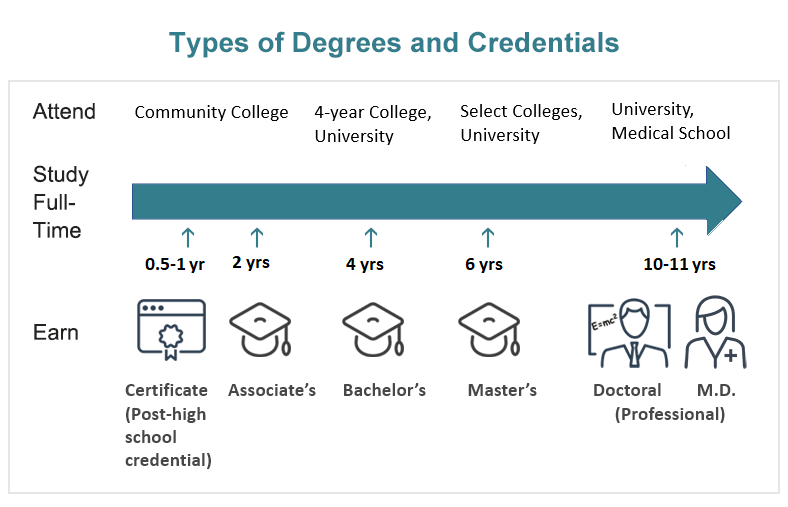
You can become a mechanical engineering technician in several ways. Some technicians receive their training from a vocational high school. Others attend a community college or technical institute. Most employers prefer to hire graduates of two-year programs in mechanical engineering technology. In some jobs in this field, such as tool design, there are formal apprenticeship programs that combine classroom instruction with on-the-job training. Apprenticeship programs generally take from two to four years to complete. Nearly all workers in the field of mechanical engineering technology need some on-the-job training to prepare them to meet the specific needs of their employers.
Companies That Hire Mechanical Engineering Technicians
Try it Out with an Activity or Project
STEM Activities
STEM activities are fun hands-on explorations that usually take from 10 minutes to one hour and use readily available household or classroom materials while introducing you to STEM concepts common in this career.
/-/https/www.sciencebuddies.org/cdn/Files/12342/5/paper-roller-coaster-thumbnail.jpg)
/-/https/www.sciencebuddies.org/cdn/Files/14607/9/popsicle-stick-catapult.jpg)
/-/https/www.sciencebuddies.org/cdn/Files/15225/6/mini-trebuchet-thumbnail.jpg)
/-/https/www.sciencebuddies.org/cdn/Files/13057/5/cotton-ball-launcher-thumbnail.jpg)
/-/https/www.sciencebuddies.org/cdn/Files/13934/11/wind-powered-car.jpg)
/-/https/www.sciencebuddies.org/cdn/Files/14827/8/caterpillar-automaton-thumbnail.jpg)
/-/https/www.sciencebuddies.org/cdn/Files/14048/8/stick-chain-reaction-science-activity-thumbnail.jpg)
/-/https/www.sciencebuddies.org/cdn/Files/14487/5/wall-marble-run-thumbnail.jpg)
/-/https/www.sciencebuddies.org/cdn/Files/12665/6/egg-drop-thumbnail.jpg)
/-/https/www.sciencebuddies.org/cdn/Files/14090/5/marble-roller-coaster-activity-thumbnail.jpg)
/-/https/www.sciencebuddies.org/cdn/Files/15810/5/Pulleys.jpg)
/-/https/www.sciencebuddies.org/cdn/Files/13977/6/pantograph-results-thumbnail.jpg)
/-/https/www.sciencebuddies.org/cdn/Files/14192/6/mobile-art-balanced-shapes.jpg)
/-/https/www.sciencebuddies.org/cdn/Files/12254/5/cell-phone-stand.jpg)
/-/https/www.sciencebuddies.org/cdn/Files/7567/6/sticky-note-friction.jpg)
/-/https/www.sciencebuddies.org/cdn/Files/5908/7/balance-marshmallows-rectangle.jpg)
/-/https/www.sciencebuddies.org/cdn/Files/16516/5/SortingMachine.jpg)
/-/https/www.sciencebuddies.org/cdn/Files/13149/6/toy-golf-club-thumbnail-img.jpg)
/-/https/www.sciencebuddies.org/cdn/Files/5632/10/games_carnival_materials.jpg)
/-/https/www.sciencebuddies.org/cdn/Files/13883/6/train-wheel-thumbnail.jpg)
Science Project Ideas
Project Ideas are in-depth STEM explorations that have a strong focus on controlling variables, taking accurate measurements, and analyzing data suitable for investigating the scientific method or the engineering design process.
/-/https/www.sciencebuddies.org/cdn/Files/3570/8/Aero_img077.jpg)
/-/https/www.sciencebuddies.org/cdn/Files/11737/6/ball-launcher-receiver-thumbnail.jpg)
/-/https/www.sciencebuddies.org/cdn/Files/5972/15/build-infinity-mirrors-optical-illusion.jpg)
/-/https/www.sciencebuddies.org/cdn/Files/14030/7/marble-roller-coaster-loop-thumbnail.jpg)
/-/https/www.sciencebuddies.org/Files/8234/13/xpult-thumbnail.jpg)
/-/https/www.sciencebuddies.org/cdn/Files/8237/10/projectile-motion-catapult-thumbnail.jpg)
/-/https/www.sciencebuddies.org/cdn/Files/5341/9/Kobe_Bryant_USA_vs_Dominican_Republic_exhibition_game_img.jpg)
/-/https/www.sciencebuddies.org/cdn/Files/13974/4/marble-roller-coaster-loop.jpg)
/-/https/www.sciencebuddies.org/cdn/Files/4752/11/granular-materials-closeup_img.jpg)
/-/https/www.sciencebuddies.org/cdn/Files/6399/13/trebuchet.jpg)
/-/https/www.sciencebuddies.org/cdn/Files/5342/9/Bouncing_ball_strobe_edit_img.jpg)
/-/https/www.sciencebuddies.org/cdn/Files/3047/5/ApMech_img064.jpg)
/-/https/www.sciencebuddies.org/cdn/Files/6806/6/rubber-band-friction-launch.jpg)
/-/https/careerdiscovery.sciencebuddies.org/Dirs/37/0/img/thumbnail.png)
/-/https/www.sciencebuddies.org/cdn/Files/3510/5/Energy_img014.jpg)
/-/https/www.sciencebuddies.org/cdn/Files/7573/6/sticky-note-friction-project.jpg)
/-/https/www.sciencebuddies.org/Files/20549/6/blobid1720549519389.png)
/-/https/www.sciencebuddies.org/cdn/Files/8235/5/field-goal-trajectory_thumbnail.jpg)
/-/https/www.sciencebuddies.org/cdn/Files/14095/10/engineering-2020-challenge-cricket-wicket.jpg)
On the Job
Nature of the Work
Mechanical engineering technicians assist mechanical engineers, and sometimes scientists, in all phases of the design, development, production, testing, operation, and maintenance of mechanical equipment, tools, and industrial machinery. Mechanical engineering technology is a broad field. Technicians work on products that range from automobile engines, air conditioners, and power saws, to nuclear reactors, elevators, and printing presses. They also work on the machines and tools needed to make such products. Sometimes they are concerned with tiny parts for delicate instruments. At other times they deal with huge gears for machines such as bulldozers.
Mechanical engineering technicians have a wide variety of titles. Sometimes they are just called mechanical technicians. If they specialize, they may be called automotive technicians or diesel technicians, depending on their field. Others are known as tool designers, mechanical drafters, or production technicians, depending on the job they do within their field. Mechanical engineering technicians work in plants and factories in all sections of the country. Most work for private companies that make tools and machinery. Others work for government agencies or consulting firms.
Many mechanical engineering technicians work in design and development. They usually work closely with the mechanical engineers who create or improve products ranging from mechanical pencils to complex spaceships. Many of these technicians spend much of their time at drawing boards. They prepare drawings, or layouts, of the product being developed—for example, an engine for an automobile. They have to make detailed drawings of each screw, nut, bolt, and gear to be used in the engine. They estimate how much it will cost to make the engine and how well it will work. They take into account the friction, stress, strain, and vibration that the various parts of the engine will have to endure. Mechanical engineering technicians often use complex instruments, testing equipment, and gauges in their work. They test models of the engine, write up reports, and suggest better ways to make the engine.
Other mechanical engineering technicians work in production. They help to make layouts of each step to be taken and each part to be made in the production of, for example, the automobile engine. Specialists in tool design make drawings of the tools, jigs, dies, and other devices needed to mass-produce each part for the engine. They often improve the design of existing tools. Other mechanical engineering technicians make estimates of the cost of labor and the best use of plant space. They help with any production problems that may arise. Sometimes they test machinery or the parts being made for the engine. They do studies of the manufacturing process to find out whether it could be done in a better or cheaper way. Many technicians supervise other workers.
Mechanical engineering technicians are also involved in the installation, operation, and maintenance of machinery used to manufacture other products. Some technicians work in technical sales. Others are employed as technical writers.
Work Environment
Because they are involved in all phases of manufacturing and design, mechanical engineering technicians work under a variety of conditions. Some spend most of their time in an office at a drawing board. Others do much of their work in a foundry, die-casting room, machine shop, or other manufacturing area. Although these technicians sometimes work near powerful, fast-moving machinery, they are seldom in danger. The safety record of manufacturing plants is good.
Mechanical engineering technicians who specialize in design usually work 35-40 hours a week on day shifts. Technicians who specialize in production sometimes work night shifts. In some cases overtime work is required. Some mechanical engineering technicians belong to unions.
More Information
Ask Questions
Do you have a specific question about a career as a Mechanical Engineering Technician that isn't answered on this page? Post your question on the Science Buddies Ask an Expert Forum.
Additional Resources
- American Society for Engineering Education: https://www.asee.org/
- American Society of Mechanical Engineers: https://www.asme.org/
Sources
- U.S. Bureau of Labor Statistics BLS (2024). Occupational Outlook Handbook (OOH), 2024 Edition, Bureau of Labor Statistics. Retrieved August 25, 2025.
- National Center for O*NET Development O*Net Online (2024). National Center for O*Net Development. Retrieved August 25, 2025
- Net Industries. (2009). Mechanical Engineering Technician Job Description, Career as a Mechanical Engineering Technician, Salary, Employment - Definition and Nature of the Work, Education and Training Requirements, Getting the Job. Retrieved December 9, 2009.
- ScienceBuddiesTV. (2010, February 2). Mechanical Engineering Technicians. Retrieved February 4, 2010.
- NASA. (2019, March 25). Women's History Month: Tonya Mitchell, Mechanical Engineering Technician. Retrieved April 16, 2019.
- Texas State Technical College. (2007, December 12). Mechanical Engineering Technology. Retrieved February 4, 2010.
- Just the Job. (2012, September 12). Mechanical Engineering Technician. Retrieved March 19, 2014.