
/-/https/careerdiscovery.sciencebuddies.org/cdn/Files/21464/5/sb-logo.png)
Weatherization Installer or Technician
Overview and Key Facts
/-/https/careerdiscovery.sciencebuddies.org/cdn/Files/1882/17/pexels-photo-1633415.jpg)

Education

Median Pay

Job Growth

Jobs in 2034
What Do They Do?
A weatherization installer or technician could.../-/https/careerdiscovery.sciencebuddies.org/cdn/Files/1883/17/unsplash-aCshJn3y93s.jpg)
/-/https/careerdiscovery.sciencebuddies.org/cdn/Files/1884/17/iStock-487072268.jpg)
/-/https/careerdiscovery.sciencebuddies.org/cdn/Files/1885/17/pexels-photo-5691531.jpg)
/-/https/careerdiscovery.sciencebuddies.org/cdn/Files/1886/17/iStock-1222236439.jpg)
/-/https/careerdiscovery.sciencebuddies.org/cdn/Files/1883/17/unsplash-aCshJn3y93s.jpg)
/-/https/careerdiscovery.sciencebuddies.org/cdn/Files/1884/17/iStock-487072268.jpg)
/-/https/careerdiscovery.sciencebuddies.org/cdn/Files/1885/17/pexels-photo-5691531.jpg)
/-/https/careerdiscovery.sciencebuddies.org/cdn/Files/1886/17/iStock-1222236439.jpg)
Overview Listen to this section
Houses are made up of walls, doors, windows, ducts, and attics. Our lives are centered around the rooms where we eat, sleep, and spend time with our friends and family. But, while walls, doors, windows, and ducts shelter us, they can also cost money in wasted energy. If any of these things "leak"—if they are not sealed tight or insulated—your house can be subject to changes in the weather, becoming too hot in summer or too cold in winter. In either case, keeping a "leaky" house comfortable can make the air-conditioning system or heating system work harder than necessary. Weatherization installers or technicians work on the homes of their clients to insulate, stop any potential leaks, and make their clients' homes more energy efficient and comfortable. This is a green career that combines mechanical skills with helping people./-/https/i.ytimg.com/vi/A5U6ZO-3XGw/hqdefault.jpg)
Do You Have the Skills and Characteristics of a Weatherization Installer or Technician?

Core Tasks
Think about if you'd like the typical tasks a Weatherization Installer or Technician might do:Salary & Job Openings
Median Salary (Yearly Pay)
Future Jobs
Blast-Off:
(10% or higher)
(7% - 10%)
(5% - 7%)
(3% - 5%)
(0% - 3%)

Steps to Get There: Becoming a Weatherization Installer or Technician
High School Subjects to Study
Engineering
Career Pathway Listen to this section
Weatherization installers or technicians can train for and earn Building Performance Institute (BPI) certification. Installers can seek training and certification in a variety of areas. BPI-certified professionals are regarded as specialists in their chosen fields by employers.
Education- Typical Degree Needed After High School Listen to this section
high school credential
Typical degree for an entry-level position: High school diploma or equivalent ?
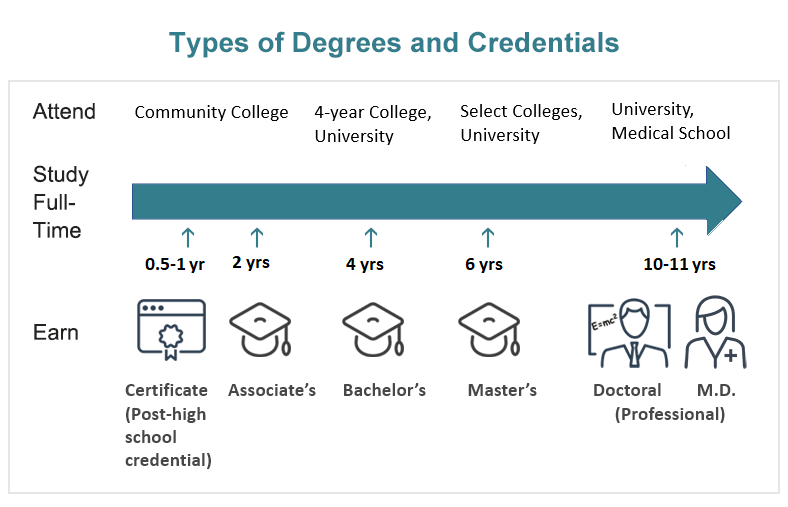
The minimum degree required for an entry-level position as a weatherization installer or technician is a high school degree. Candidates with high school degrees go through extensive on-the-job training. Community colleges, in preparation for training workers for green jobs, are offering weatherization installer courses. These courses are open to high school graduates with basic skills in math and carpentry. Candidates with training beyond high school will have an advantage when seeking employment.
Companies That Hire Weatherization Installer or Technicians
Try it Out with an Activity or Project
STEM Activities
STEM activities are fun hands-on explorations that usually take from 10 minutes to one hour and use readily available household or classroom materials while introducing you to STEM concepts common in this career.
/-/https/www.sciencebuddies.org/cdn/Files/14306/5/build-a-cooler.jpg)
Science Project Ideas
Project Ideas are in-depth STEM explorations that have a strong focus on controlling variables, taking accurate measurements, and analyzing data suitable for investigating the scientific method or the engineering design process.
/-/https/careerdiscovery.sciencebuddies.org/Dirs/37/0/img/thumbnail.png)
/-/https/www.sciencebuddies.org/cdn/Files/6168/6/colorful-houses.jpg)
On the Job
Role Models

Nature of the Work
Weatherization installers or technicians perform a variety of activities to weatherize homes and make them more energy efficient. They conduct energy audits on their clients' homes and advise them on possible energy conservation techniques. When working on a client's home, weatherization installers or technicians first determine the location of the home's thermal boundary and then identify all potential air leakage points. Leakage points can occur in ducts, around doors and windows, and in attics and crawlspaces. They determine the best methods and materials for sealing the air leakage points and then seal them. Weatherization installers or technicians also determine the best insulation for each application and make sure that their work is in compliance with all building and fire codes. They install blown-in cellulose insulation, fiberglass insulation, sealing, and other weatherization products in residences. Weatherization installers or technicians also repair and replace windows, roofs, or ventilation systems.
To help them make a home or building more energy efficient, weatherization installers or technicians use a variety of diagnostic tools:
- Blower doors are weatherization installers or technicians' go-to tool. They are used to measure the air leakage of a building. Once weatherization installers or technicians have fixed the leaks, the blower door can determine if the fixes are successful.
- Digital combustion analyzers are used to test for carbon monoxide and to ensure that the home's furnace is working at its highest possible efficiency.
- Infrared cameras detect thermal defects and air leakage in buildings.
Work Environment
Weatherization installers or technicians need physical stamina because the work frequently requires prolonged standing, bending, stooping, and working in attics, crawlspaces, and inside homes. They also may be required to lift and carry heavy objects.
A standard workweek is 40 hours.
More Information
Ask Questions
Do you have a specific question about a career as a Weatherization Installer or Technician that isn't answered on this page? Post your question on the Science Buddies Ask an Expert Forum.
Additional Resources
Sources
- U.S. Bureau of Labor Statistics BLS (2024). Occupational Outlook Handbook (OOH), 2024 Edition, Bureau of Labor Statistics. Retrieved August 25, 2025.
- National Center for O*NET Development O*Net Online (2024). National Center for O*Net Development. Retrieved August 25, 2025
- Greendepot:Blog. (2010). An interview with Curtis McKinney of the Chicago weatherization program. Green Depot. Retrieved May 9, 2010.
- Green for All. (2009, October 30). Weatherization in NY: Tahlia's Story. Retrieved April 29, 2014.
- National Association for State Community Services Programs. (n.d.). Weatherization Assistant. Retrieved June 21, 2019.