

Wind Energy Engineer
Overview and Key Facts


Education

Median Pay

Job Growth

Jobs in 2034
What Do They Do?
A wind energy engineer could...


Overview Listen to this section
Every day the Earth provides us with many sources of renewable energy to power our lifestyles. Wind energy is an example of a renewable energy because wind is a naturally replenished source. But how can energy be extracted efficiently from the wind? Sounds like a job for a wind energy engineer! The wind energy engineer works on modeling, designing, and building wind turbines and wind farms. These engineers are passionate about wind, renewable energy, and the environment, and they enjoy applying their math and science skills.
Do You Have the Skills and Characteristics of a Wind Energy Engineer?

Core Tasks
Think about if you'd like the typical tasks a Wind Energy Engineer might do:Salary & Job Openings
Median Salary (Yearly Pay)
Future Jobs
Blast-Off:
(10% or higher)
(7% - 10%)
(5% - 7%)
(3% - 5%)
(0% - 3%)

Steps to Get There: Becoming a Wind Energy Engineer
High School Subjects to Study
Engineering
Education- Typical Degree Needed After High School Listen to this section
high school credential
Typical degree for an entry-level position: Bachelor's degree ?
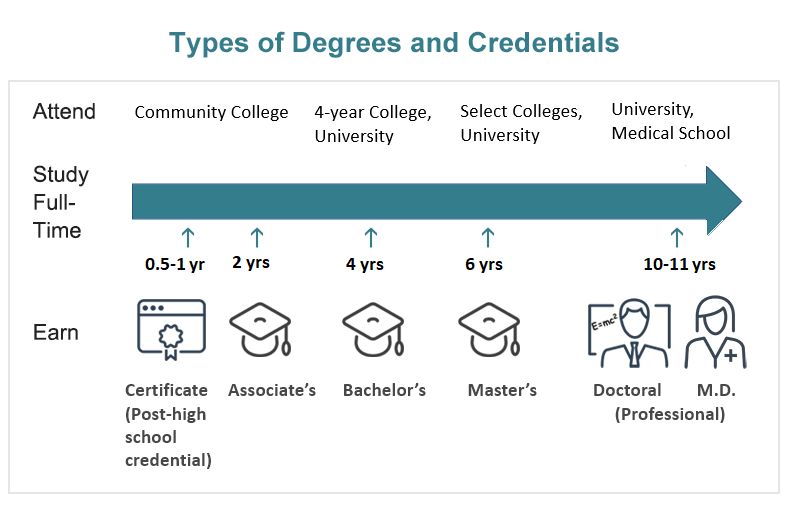
A bachelor's degree in engineering, such as electrical, aeronautical, aerospace, mechanical, or civil, is required for a position as a wind energy engineer. Individuals who wish to conduct research at a governmental laboratory, university, or for a corporation are encouraged to seek an advanced degree. Most employers prefer to hire candidates with previous experience.
Companies That Hire Wind Energy Engineers
Try it Out with an Activity or Project
STEM Activities
STEM activities are fun hands-on explorations that usually take from 10 minutes to one hour and use readily available household or classroom materials while introducing you to STEM concepts common in this career.


Science Project Ideas
Project Ideas are in-depth STEM explorations that have a strong focus on controlling variables, taking accurate measurements, and analyzing data suitable for investigating the scientific method or the engineering design process.


On the Job
Role Models

Nature of the Work
Wind energy engineers are responsible for designing, building, and monitoring wind turbines and wind turbine farms. These engineers get to combine their math, science, and engineering skills with their interest in the environment. Wind energy engineers work to create alternative energy solutions to the problems of how we humans are going to power our lives in the future. They are employed by government laboratories, universities, and private corporations.
Wind energy engineers are involved in all diverse phases of extracting energy from the wind. They can model the potential of extracting energy from a possible farm site. In this case, they work with meteorologists to make sure that they understand the long-term weather patterns in the area. They design special materials for turbine blades that have special stress and fatigue characteristics. They apply the principles of aerodynamics to design efficient turbine blades and perform analysis. Because wind energy engineers design blades, employers look for candidates who are experts in computer aided design (or CAD). They work on constructing wind energy farms and on installing wind turbines. They design the electrical systems that are necessary for the wind turbines to operate at peak performance. The job is not done when the wind farm is installed. Wind energy engineers are constantly monitoring the operation of the wind farm by acquiring and analyzing data collected from the wind turbines. These engineers are also responsible for developing programs to improve the wind turbines' performance and reduce the cost of long-term operations. Since wind energy engineers can work on a wide variety of projects, they come from diverse engineering backgrounds. Wind energy engineers can be trained as aeronautics engineers, material scientists, mechanical engineers, civil engineers, and electrical engineers.
Work Environment
Most wind energy engineers work in office buildings, laboratories, or industrial plants. Others may spend time outdoors at construction sites, where they monitor or direct operations, or solve on-site problems. When working on site they may have to deal with harsh conditions. Engineers responsible for monitoring wind turbines must be physically able to climb towers exceeding 100 meters and must be comfortable at these heights. Some engineers must travel extensively to visit plant or work sites as well as clients both in the U.S. and abroad.
More Information
Ask Questions
Do you have a specific question about a career as a Wind Energy Engineer that isn't answered on this page? Post your question on the Science Buddies Ask an Expert Forum.
Additional Resources
Sources
- U.S. Bureau of Labor Statistics BLS (2024). Occupational Outlook Handbook (OOH), 2024 Edition, Bureau of Labor Statistics. Retrieved August 25, 2025.
- National Center for O*NET Development O*Net Online (2024). National Center for O*Net Development. Retrieved August 25, 2025
- Ferrante, E. (2010, July 22). Engineer Seeks Better Control of Wind Energy. LiveScience.com. Retrieved September 17, 2010.
- National Science Foundation. (n.d.). Green Revolution: Wind. Retrieved September 17, 2010.
- National Aeronautics and Space Administration. (n.d.). Green Careers: Renewable Energy Scientist. Retrieved May 30, 2017.
- The Phoenix Learning Group, Inc. (2009, October 16). Green Careers: Clean Energy - Wind Power. Retrieved September 17, 2010.