
/-/https/careerdiscovery.sciencebuddies.org/cdn/Files/21464/5/sb-logo.png)
Computer Systems Analyst
Overview and Key Facts
/-/https/careerdiscovery.sciencebuddies.org/cdn/Files/1301/18/pexels-photo-1181635.jpg)

Education

Median Pay

Job Growth

Jobs in 2034
What Do They Do?
A computer systems analyst could.../-/https/careerdiscovery.sciencebuddies.org/cdn/Files/5630/12/pexels-photo-5239806.jpg)
/-/https/careerdiscovery.sciencebuddies.org/cdn/Files/1011/20/pexels-photo-7375.jpg)
/-/https/careerdiscovery.sciencebuddies.org/cdn/Files/1156/18/pexels-photo-5082579.jpg)
/-/https/careerdiscovery.sciencebuddies.org/cdn/Files/1722/18/Air_Ambulance_6516.JPG)
/-/https/careerdiscovery.sciencebuddies.org/cdn/Files/5630/12/pexels-photo-5239806.jpg)
/-/https/careerdiscovery.sciencebuddies.org/cdn/Files/1011/20/pexels-photo-7375.jpg)
/-/https/careerdiscovery.sciencebuddies.org/cdn/Files/1156/18/pexels-photo-5082579.jpg)
/-/https/careerdiscovery.sciencebuddies.org/cdn/Files/1722/18/Air_Ambulance_6516.JPG)
Overview Listen to this section
Computer systems analysts have to know what computer programs and related tools are needed to efficiently get a job done. The jobs are usually carried out by other people, but the computer systems analyst makes sure the team has the right computer-based aids they need to do it. A computer systems analyst has to stay on top of the latest technologies, know the capabilities and limitations of different computer parts, and put all of this information together to help a group of people succeed./-/https/i.ytimg.com/vi/T0JdNufvn-o/maxresdefault.jpg)
Do You Have the Skills and Characteristics of a Computer Systems Analyst?

Core Tasks
Think about if you'd like the typical tasks a Computer Systems Analyst might do:Salary & Job Openings
Median Salary (Yearly Pay)
Future Jobs
Blast-Off:
(10% or higher)
(7% - 10%)
(5% - 7%)
(3% - 5%)
(0% - 3%)

Steps to Get There: Becoming a Computer Systems Analyst
High School Subjects to Study
Engineering
Career Pathway Listen to this section
Most employers prefer computer systems analysts who have at least a bachelor's degree, although oftentimes only an associate's degree is required. Computer systems analysts must also have experience with a variety of computer systems (hardware and software) and related technologies.
To remain competitive in the field, computer systems analysts must continually keep up on the latest technologies and know how apply them. To do this, they may pursue continuing education, attend seminars and conferences, and read research and trade journals to keep their knowledge and skills up to date.
Education- Typical Degree Needed After High School Listen to this section
high school credential
Typical degree for an entry-level position: Bachelor's degree ?
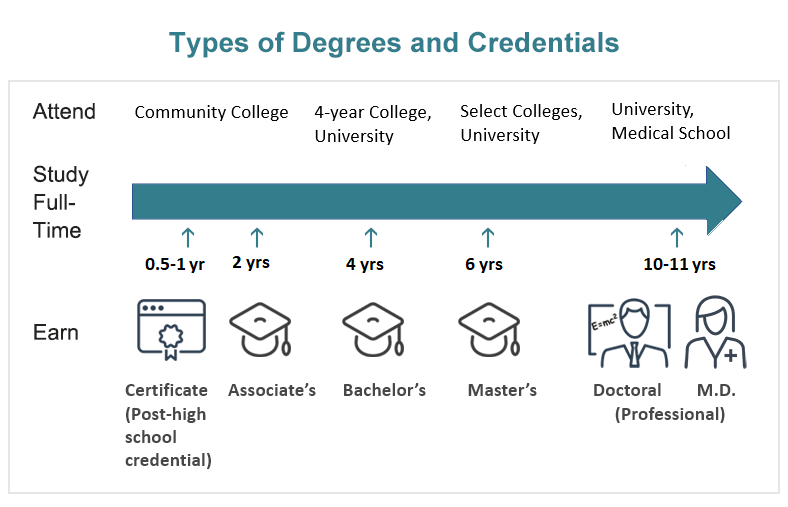
A bachelor's degree in a relevant discipline is typically required for all entry-level computer systems analyst jobs, although oftentimes an associate's degree will suffice. A more technical position may require a graduate degree in a computer-related field, such as a master's degree in computer science.
Typically, a computer systems analyst will have a degree in computer science, information science, or computer engineering. However, analysts may alternatively have a degree in business or liberal arts with experience and skills related to computer science, primarily information technology (IT) and computer programming. Business-focused companies, in particular, may seek out computer systems analysts with a background in business, such as individuals who have a master's degree in business administration (MBA).
Companies That Hire Computer Systems Analysts
Try it Out with an Activity or Project
STEM Activities
STEM activities are fun hands-on explorations that usually take from 10 minutes to one hour and use readily available household or classroom materials while introducing you to STEM concepts common in this career.
/-/https/www.sciencebuddies.org/cdn/Files/14495/5/scratch-covid-19-simulator.jpg)
Science Project Ideas
Project Ideas are in-depth STEM explorations that have a strong focus on controlling variables, taking accurate measurements, and analyzing data suitable for investigating the scientific method or the engineering design process.
/-/https/careerdiscovery.sciencebuddies.org/Dirs/37/0/img/thumbnail.png)
On the Job
Role Models

Nature of the Work
Computer systems analysts have an eye for detail and are committed to finding computer-related solutions for the people they work with. A computer systems analyst will meet with people to learn about their individual projects and computer-related needs and evaluate the computer systems that they currently use. To help them more efficiently complete their projects, the analyst will then give the people recommendations for upgrades, improvements, and alternative computer systems parts (software and/or hardware). For example, the analyst may find a software program that is more suitable for reaching the company's goal than the current software program that is being used. Alternatively, the analyst may find that certain hardware components are outdated, and greater productivity could be achieved by upgrading these components. The analyst will then work with these people to implement the agreed-upon changes.
Some computer systems analysts are more focused on technical aspects of computer-based projects. These analysts might need a graduate degree (such as a master's degree) in computer science or a similar discipline to be technically proficient. Others are more involved in the business side of relationships. For example, these analysts may be hired by a company to meet with potential customers and discuss the company's product and how it would be useful for the customers. These analysts may have a background in business, such as a master's degree in business administration (MBA).
Computer systems analysts must be familiar with the range of computer systems (software and hardware) that are available, and must also be familiar with new computer-related technologies as they emerge. To relay computer-related information to individuals with a range of computer experience (from computer specialists to people without a computer science background), analysts must have strong communication skills and be able to work well with different groups of people. Computer systems analysts often become the middle person between computer systems developers and customers/users, so they need to be able to understand, and convey, a range of viewpoints.
Work Environment
Computer systems analysts work in offices or on job sites, typically in comfortable surroundings. They usually work about 40 hours a week, which is about the same as many other professional or office workers. However, some computer systems analysts may need to be on call for emergencies, and/or work evenings or weekends to meet deadlines or solve specific problems.
Like other workers who spend long periods typing on a computer, computer systems analysts are susceptible to eyestrain, back discomfort, and hand and wrist problems such as carpal tunnel syndrome or cumulative trauma disorder, but preventative measures can be taken.
More Information
Ask Questions
Do you have a specific question about a career as a Computer Systems Analyst that isn't answered on this page? Post your question on the Science Buddies Ask an Expert Forum.
Additional Resources
Sources
- U.S. Bureau of Labor Statistics BLS (2024). Occupational Outlook Handbook (OOH), 2024 Edition, Bureau of Labor Statistics. Retrieved August 25, 2025.
- National Center for O*NET Development O*Net Online (2024). National Center for O*Net Development. Retrieved August 25, 2025
- Bureau of Labor Statistics. (2014, January 8). Computer Systems Analysts United States Department of Labor. Retrieved February 14, 2014.
- CareerOneStop. (n.d.). Computer Systems Analyst. Retrieved February 14, 2014.
- About Career Planning. (n.d.). Computer Systems Analyst. Retrieved February 14, 2014.
- WOSU Public Media. (n.d.). Words from the Wise: Meet Bettina Bair, Systems Analyst MyCoolJob.org. Retrieved March 11, 2014.
- The City of Edmonton. (2012, November 7). City of Edmonton Jobs: Information Technology - Systems Analyst. Retrieved February 14, 2014.