

Information Security Analyst
Overview and Key Facts


Education

Median Pay

Job Growth

Jobs in 2034
What Do They Do?
An information security analyst could...


Overview Listen to this section
Have you ever seen a story on the news about how a company or government agency was "hacked" and people's personal information, like names, addresses, or credit card numbers, was stolen? It is an information security analyst's job to prevent that from happening. Organizations hire information security analysts to analyze possible threats against their computer systems, which can range from malicious hackers trying to steal data to careless employees who accidentally forget to log out of a computer. They then make plans to prevent these threats and to deal with them when they arise. This is an exciting career for those who want to keep up with the constantly changing world of computers and the Internet.
Do You Have the Skills and Characteristics of an Information Security Analyst?

Core Tasks
Think about if you'd like the typical tasks an Information Security Analyst might do:Salary & Job Openings
Median Salary (Yearly Pay)
Future Jobs
Blast-Off:
(10% or higher)
(7% - 10%)
(5% - 7%)
(3% - 5%)
(0% - 3%)

Steps to Get There: Becoming an Information Security Analyst
High School Subjects to Study
Engineering
Education- Typical Degree Needed After High School Listen to this section
high school credential
Typical degree for an entry-level position: Bachelor's degree ?
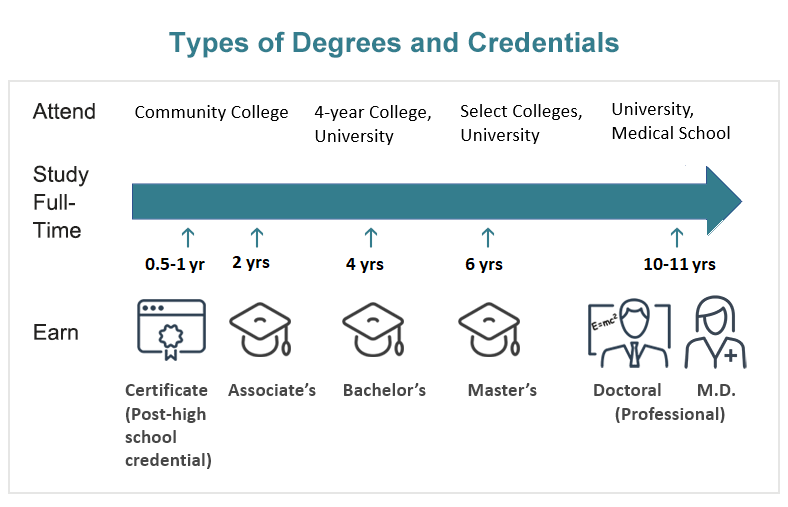
Information security analysts usually have a bachelor's degree in computer science, programming, or a related field, but a master's degree could be beneficial. Some schools now offer degrees in information security as the field continues to grow and as demand for qualified employees increases. A master's of business administration (MBA) in information systems may also be preferred, since the security of a company's data (for example, customer credit card information) can have a huge impact on its finances and business operations if that data is breached. An MBA typically requires two additional years of school beyond the undergraduate level.
Many information security analyst positions are not entry-level. Experience in a related field, like database management or systems administration, may be required. Various professional certifications in information security are also available, and may make a prospective employee more attractive to employers. Since the field of information security changes rapidly as computer technology advances, information security analysts must typically pursue continuing professional education, attend conferences and seminars, and read trade publications in order to stay up to date.
With enough experience, information security analysts can advance to managerial positions, like chief security officer or computer and information systems manager, also called information technology (IT) managers.
Try it Out with an Activity or Project
STEM Activities
STEM activities are fun hands-on explorations that usually take from 10 minutes to one hour and use readily available household or classroom materials while introducing you to STEM concepts common in this career.

Science Project Ideas
Project Ideas are in-depth STEM explorations that have a strong focus on controlling variables, taking accurate measurements, and analyzing data suitable for investigating the scientific method or the engineering design process.


On the Job
Role Models

Nature of the Work
Information security analysts are skilled workers who help protect an organization's data from unauthorized access and outside threats. They can work for a variety of organizations, ranging from government agencies that handle classified data, to healthcare organizations that must store sensitive personal information about patients, to large retailers that handle credit card transactions. In all of those cases, the organizations possess information that could cause embarrassment, financial loss, or even a national security threat if the information is compromised or stolen. The threats they must deal with can range from individuals or small groups of hackers, to organized crime or even foreign governments. They must continually stay up-to-date on the latest trends in the information security industry in order to stay one step ahead of hackers and protect their organization's information. As the scale and frequency of cyberattacks continue to increase, the responsibilities of information security analysts may increase as well.
An information security analyst is responsible for analyzing a company's computer systems, possible threats to the systems that could compromise data, and developing and implementing plans to protect that data. They may be responsible for installing defenses, like firewalls, to prevent unauthorized access to a company's systems. Sometimes analysts might not implement their plans directly, but instead make recommendations to management or systems administrators who will then oversee implementation of those plans. They may also prepare reports for management in the event of a security breach, explaining what happened, its impact on the company, and how similar attacks can be prevented in the future.
Information security analysts might be responsible for training other, non-technical employees on proper computer security procedures. This can include protection against physical, not just electronic, theft of data. For example, an employee traveling to a conference with a company laptop that has sensitive information on the hard drive could risk having that laptop stolen at the airport. Someone could take data home on a USB flash drive to work in the evening, then lose the flash drive.
Work Environment
Information security analysts typically spend the majority of their time working in an office environment, usually in front of a computer. They may have meetings with other people in the office during the day, and occasionally travel for conferences and professional meetings. While most analysts work full time (40 hours per week), some may need to be "on call" outside of normal business hours because companies must react immediately in the event of a data breach or security compromise.
Like other workers who spend long periods typing on a computer, information security analysts are susceptible to eyestrain, back discomfort, and hand and wrist problems such as carpal tunnel syndrome or cumulative trauma disorder, but preventative measures can be taken.
More Information
Ask Questions
Do you have a specific question about a career as an Information Security Analyst that isn't answered on this page? Post your question on the Science Buddies Ask an Expert Forum.
Additional Resources
The following organizations provide professional certifications in various areas of cybersecurity:
Sources
- U.S. Bureau of Labor Statistics BLS (2024). Occupational Outlook Handbook (OOH), 2024 Edition, Bureau of Labor Statistics. Retrieved August 25, 2025.
- National Center for O*NET Development O*Net Online (2024). National Center for O*Net Development. Retrieved August 25, 2025
- Bureau of Labor Statistics, U.S. Department of Labor (2015, December 17). Occupational Outlook Handbook, 2016-17 Edition, Information Security Analysts. Retrieved Jan. 19, 2016.
- Steinberg, S. (n.d.). Information Security Analyst U.S. News & World Report. Retrieved Jan. 19, 2016.
- Cyber Degrees (n.d.). Become a Security Analyst. Retrieved Jan. 19, 2016.
- SecureNinjaTV. (2014, October 17). Careers in Cybersecurity - Expert Advice from BlackHat & DEFCON. Retrieved May 4, 2016.
- Cardenas, K. (2013, January 30). Information Security, Interview with Dr. Twitchell. Retrieved May 4, 2016.